
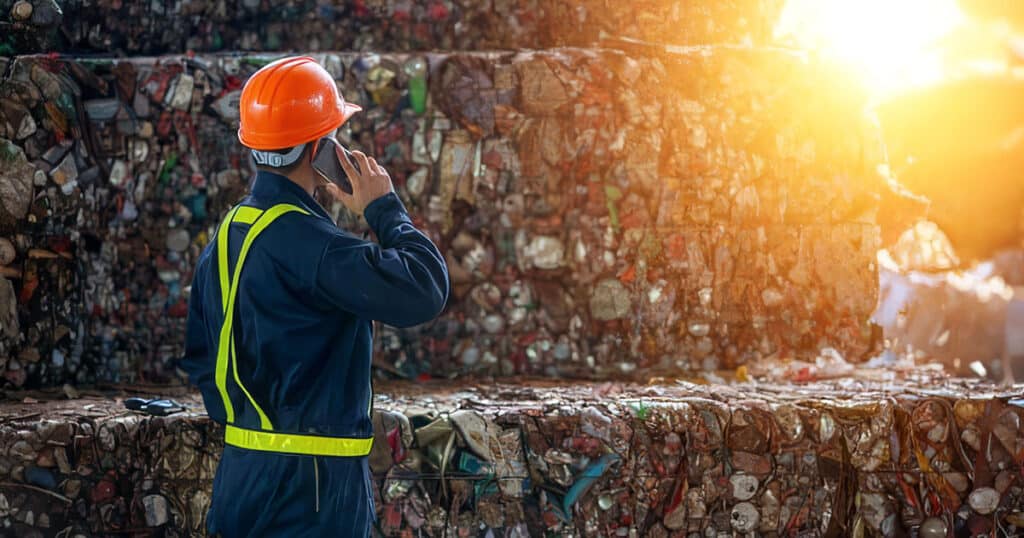
Leveraging Technology in Zero Waste Management
With global waste generation projected to reach 3.8 billion tons by 2050, the need for innovative solutions in waste management has never been more urgent. Traditional methods often fall short in efficiency and sustainability, leading to increased landfill use and environmental harm. For businesses and municipalities aiming for zero waste, leveraging technology like IoT, AI, and data analytics isn’t just an option—it’s a game-changer that streamlines processes, reduces costs, and supports circular economy principles.
Key Takeaways
- Technology enhances waste sorting, collection, and recovery, making zero waste goals more achievable.
- IoT and AI optimize operations, reducing emissions and landfill dependency.
- Smart systems like sensors and analytics provide real-time insights for better decision-making.
- Integrating these technologies supports ESG objectives and delivers measurable ROI.
The Importance of Technology in Zero Waste Management
Achieving zero waste requires shifting from linear disposal models to circular systems where resources are reused and recovered. Technology plays a pivotal role by automating processes, minimizing human error, and enabling data-driven strategies. For IT managers, waste professionals, and innovators, these tools address key challenges like overflowing landfills, inefficient collections, and resource depletion, paving the way for sustainable practices that align with global goals like the UN’s International Day of Zero Waste initiatives.
Why Technology Matters for Sustainability
In 2025, advancements in waste management tech are transforming how municipalities and businesses handle waste. From reducing greenhouse gas emissions to conserving resources, these innovations help meet zero-landfill targets while boosting operational efficiency. LJP Waste Solutions integrates such technologies into its services, helping clients achieve compliance and sustainability through customized solutions like ReFuel™ for energy recovery.
Key Technologies Driving Zero Waste
The following technologies represent cutting-edge approaches for minimizing waste, maximizing recovery, and supporting zero-waste initiatives.
IoT-Enabled Smart Bins
Best For:
- Municipal waste collection
- Commercial facilities
- High-traffic public areas
Process Overview:
IoT sensors in smart bins monitor fill levels in real-time, sending data to central systems for optimized collection routes. This prevents overflows, reduces unnecessary trips, and cuts fuel consumption by up to 30%. Examples include Barcelona’s system, where sensors track bin status to streamline collections, and Sensoneo’s deployments in cities like Atlanta for recyclable monitoring. The technology integrates with AI for predictive alerts, supporting zero-waste by diverting more materials from landfills.
AI-Driven Waste Sorting and Analytics
Best For:
- Recycling facilities
- Material recovery plants
- Industrial waste streams
Process Overview:
AI uses machine learning and computer vision to sort recyclables with high accuracy, identifying materials like plastics and metals faster than manual methods. In MRFs, AI systems improve sorting efficiency, reducing contamination and increasing recovery rates. Case studies show AI in stations for smart management and Evreka’s AI-SaaS for residential collections in Pakistan, optimizing routes and reducing costs. LJP leverages AI in its processes to enhance recycling and support clients’ ESG reporting.
Data Analytics and Predictive Modeling
Best For:
- Waste audits
- Route optimization
- Forecasting waste generation
Process Overview:
Advanced analytics process data from sensors and historical trends to predict waste patterns, enabling proactive management. This technology uncovers reduction opportunities, as seen in systems that analyze municipal solid waste for zero-landfill strategies. By 2025, predictive tools are key in reducing emissions and operational costs, aligning with circular economy goals.
Waste-to-Energy and Anaerobic Digestion
Best For:
- Organic waste streams
- Non-recyclable materials
- Energy recovery initiatives
Process Overview:
Technologies like anaerobic digestion convert organic waste into biogas for renewable energy, while advanced WtE systems process residuals into electricity. Innovations in 2025 include AI-integrated digestion for higher efficiency, as in Indore, India’s segregated collection model. LJP’s ReFuel™ exemplifies this, transforming waste into clean energy and helping achieve zero-landfill status.
Robotics and Automation
Best For:
- Hazardous waste handling
- Sorting lines
- Decentralized processing
Process Overview:
Robots equipped with AI handle sorting and disassembly, improving safety and speed. Emerging in 2025, these systems support decentralized waste solutions, reducing transport emissions.
Benefits of Leveraging Technology in Zero Waste
- Regulatory Compliance: Meet evolving standards with automated tracking and reporting.
- Environmental Stewardship: Reduce landfill use by 90% through optimized recovery and lower emissions.
- Operational Efficiency: Cut costs with smart routing and predictive insights.
- Cost Savings: Achieve quick ROI via reduced fuel use and higher recycling rates.
- Circular Economy Support: Maximize resource recovery, as in urban mining for e-waste.
By adopting these technologies, organizations demonstrate innovation and commitment to sustainability.
Addressing Challenges in Technology Adoption
Common barriers include high initial costs and integration issues. Solutions involve starting with pilots, like IoT bin trials, and partnering with experts like LJP for scalable implementations. Future trends point to AI advancements and blockchain for traceability.
How to Implement Technology for Zero Waste
Steps to Take:
- Conduct a waste audit to identify needs.
- Choose certified providers with IoT/AI expertise.
- Integrate with existing systems for seamless adoption.
Key Questions to Ask Providers:
- What technologies do you use for real-time monitoring?
- How do you ensure data security and compliance?
- Can you provide case studies on ROI?
Best Practices:
- Engage stakeholders, use gamification apps for education, and align with zero-waste goals.
Technology is essential for advancing zero waste, reducing environmental impact, and fostering sustainable management. LJP Waste Solutions’ integration of these tools helps transform waste into resources.
Frequently Asked Questions
How does technology help in waste management?
Technology optimizes collection, sorting, and recovery, reducing waste and emissions through real-time data and automation.
What are some examples of zero waste technologies?
Examples include IoT smart bins, AI sorting systems, and anaerobic digestion for energy recovery.
Can smart bins help reduce waste?
Yes, smart bins monitor levels to prevent overflows and optimize routes, diverting more waste from landfills.
How does LJP incorporate technology in zero waste?
LJP uses AI and IoT in its ReFuel™ process to maximize recovery and support zero-landfill goals.
What ROI can businesses expect?
Quick returns through cost savings in fuel, labor, and disposal, often within months.
Technology optimizes collection, sorting, and recovery, reducing waste and emissions through real-time data and automation.
Examples include IoT smart bins, AI sorting systems, and anaerobic digestion for energy recovery.
Yes, smart bins monitor levels to prevent overflows and optimize routes, diverting more waste from landfills.
LJP uses AI and IoT in its ReFuel™ process to maximize recovery and support zero-landfill goals.
Quick returns through cost savings in fuel, labor, and disposal, often within months.
Ready to leverage technology for your zero waste goals? Contact LJP Waste Solutions for a free consultation and discover how our innovative solutions can enhance your sustainability efforts. Request a quote today!